RBI Eases Export Form Rules for Small Services (Nov 2026)
On 2-3 November 2026 the RBI amended its export-import regulations: small service exporters are deemed to have filed the EDF, and small service imports skip IDPMS entry.
In this article
The Reserve Bank of India (RBI) has amended its new export and import regulations to reduce paperwork for small services exporters and importers. According to reports dated 3 November 2026, the Foreign Exchange Management (Export and Import of Goods and Services) (Second Amendment) Regulations, 2026 apply retrospectively from 1 October 2026. Resident individuals who export services, and other exporters whose single inward payment is up to Rs 10 lakh, are now treated as having submitted the Export Declaration Form (EDF) once they give their bank the payment details.
What was announced and when
Two reports opened for this article, one from IANS carried by Punjab Kesari and one from Elets BFSI, describe the same amendment. They differ slightly on the date: one says the RBI notified the changes on Tuesday 3 November 2026, the other gives the notification date as 2 November 2026. Both agree that the changes take effect from 1 October 2026, the day the new export framework began. The Elets report gives the notification number as FEMA 23(R)/(2)/2026-RB. The text of the notification itself could not be opened for this article, so the details below are as reported.
The amendment changes the principal regulations notified on 13 January 2026. The RBI's own notifications page shows a first amendment, FEMA 23(R)/(1)/2026-RB, dated 22 September 2026, which also came into force on 1 October 2026.
What changes for exporters of services
Under the earlier framework, as Elets describes it, services exporters had to submit an EDF within 30 days after the end of the month in which an invoice was raised. The amendment changes who has to do this separately.
- Resident individuals (natural persons resident in India) who export services are deemed to have submitted the EDF once they give their authorised dealer (AD) bank the information needed to credit the foreign payment. Elets reports that no value limit applies to this group.
- Other exporters, such as companies and firms, get the same treatment when the inward remittance for the service is Rs 10 lakh or less, or the equivalent in foreign currency.
An authorised dealer is a bank that the RBI has permitted to handle foreign exchange business. In practice this means the bank, not the exporter, records the export once the payment details are given.
What changes for importers of services
Banks must enter details of service imports into the Import Data Processing and Monitoring System (IDPMS) within five working days of receiving them. The amendment narrows this duty. According to the reports, it now applies only to importers other than resident individuals, and only where the invoice or contract value is above Rs 10 lakh. Resident individuals, and other importers whose service imports are Rs 10 lakh or less, are therefore outside the IDPMS requirement.
The amendment also defines a resident individual as a natural person resident in India, as distinct from a company or other business entity.
Who is affected
Elets lists freelancers, independent consultants and other resident individuals who export services, companies and partnership firms that export services within the Rs 10 lakh per-remittance limit, authorised dealer banks, and cross-border payment fintechs that serve small exporters.
Open questions
Elets cites a report in The Hindu BusinessLine that, more than three weeks after the rules took effect, some individual exporters were unclear about whether they needed to file, that banks had taken different approaches and that most had not yet issued the standard operating procedures the regulator required. Neither report says how banks will apply the amendment in practice from here, and the RBI has not been quoted on that point in the sources used.
Sources
- RBI eases forex rules for small exporters and importers of services, IANS via Punjab Kesari (English)
- RBI EDF Rules Eased for Freelancers, Exporters, Elets BFSI
- FEMA notification, Export and Import (Amendment) Regulations 2026, RBI
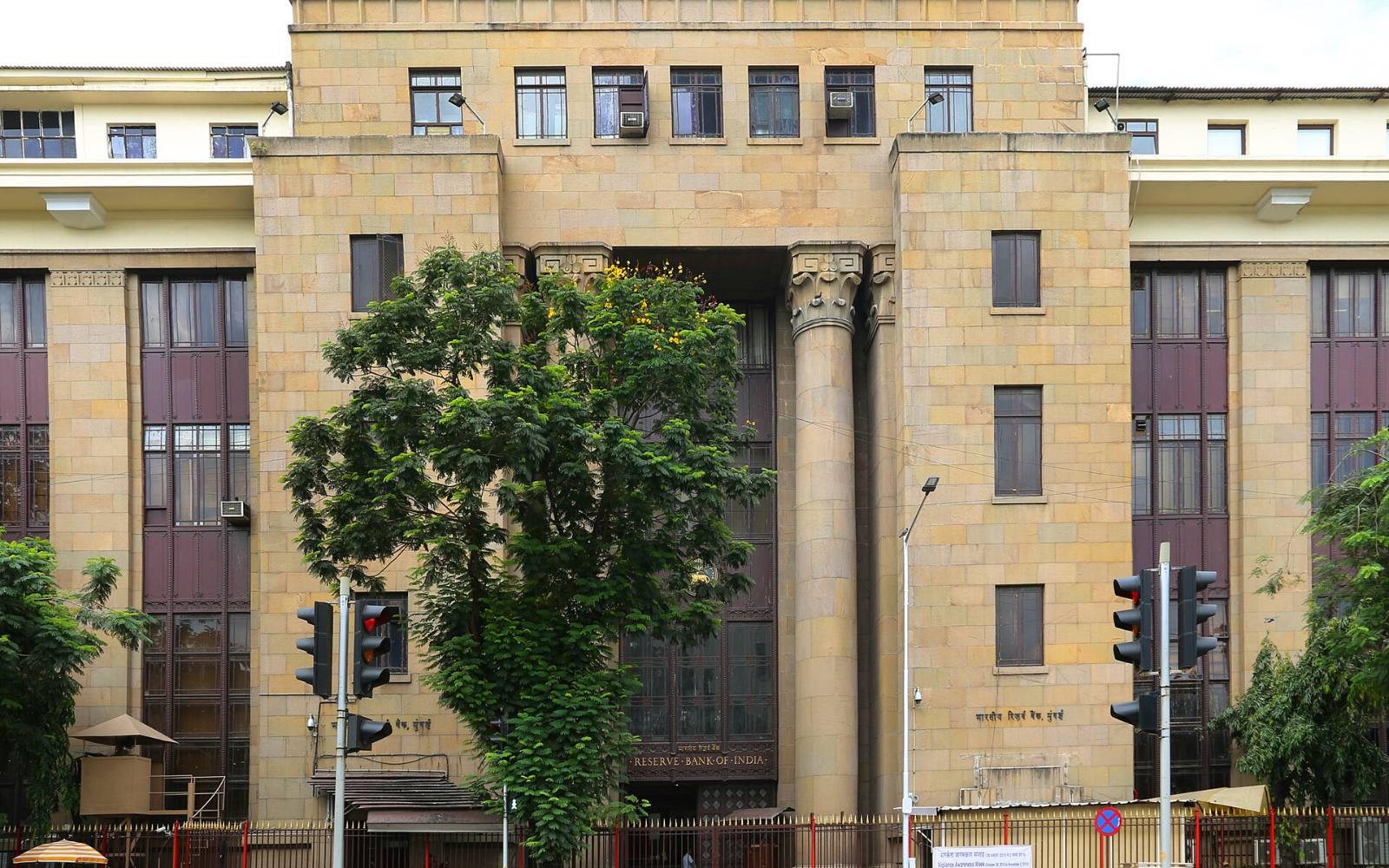
Image credits: Cover photo: Mumbai, reserve bank of india 02 by Sailko, CC BY 3.0. Pictures from Wikimedia Commons.

Share
Keep reading
Related articles
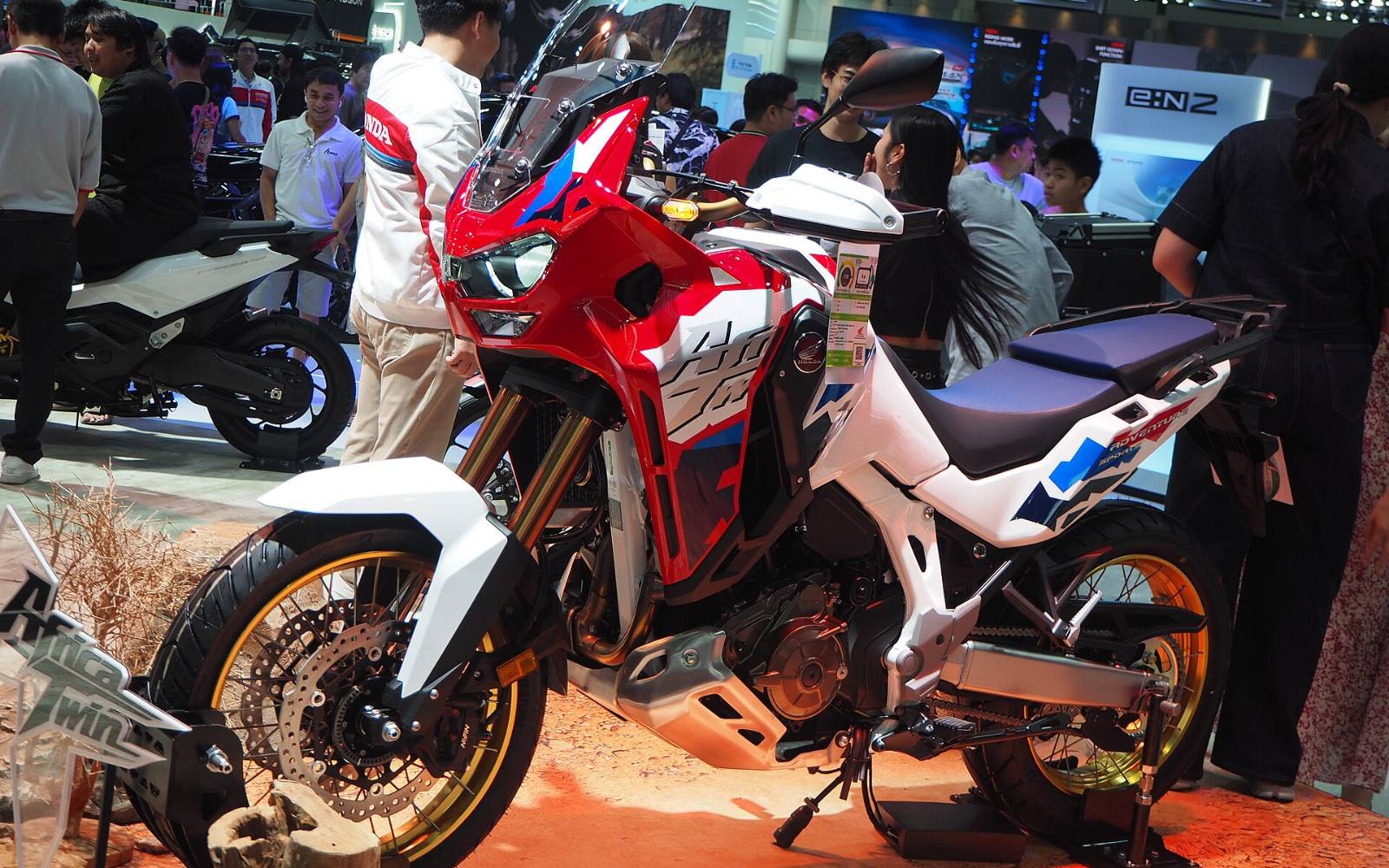
Honda CRF1150L Africa Twin Unveiled at EICMA 2026: Specs
Honda showed the 2027 CRF1150L Africa Twin on 3 November 2026: a 1,131 cc twin, three versions and radar-based Honda SENSING RIDE on the Adventure Sports DCT.
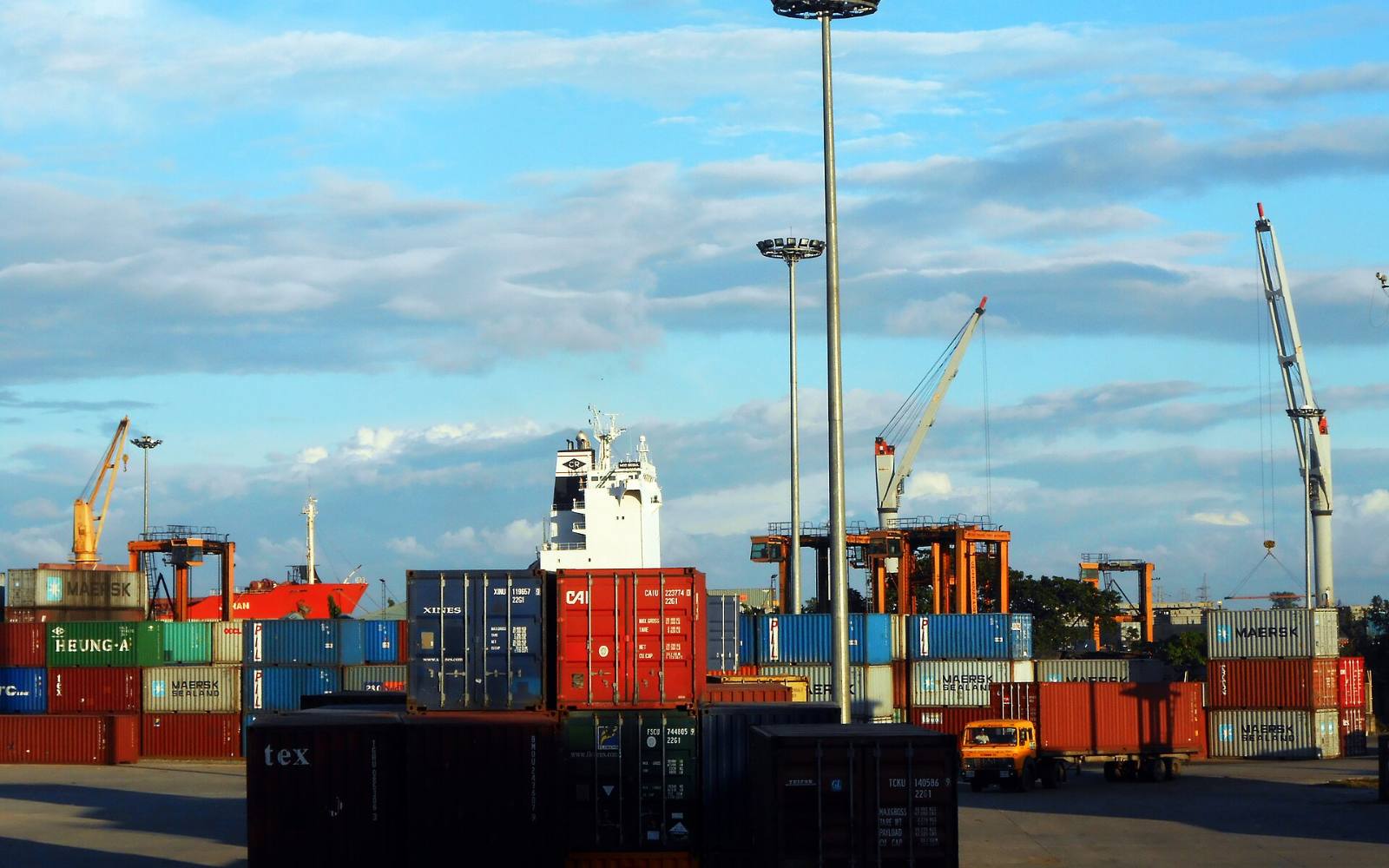
Cabinet Approves Rs 10,000 Crore Container Scheme (Oct 2026)
The Union Cabinet approved a Rs 10,000 crore scheme to build shipping containers in India, running to FY 2039-40. The government says it aims for about tenfold capacity.
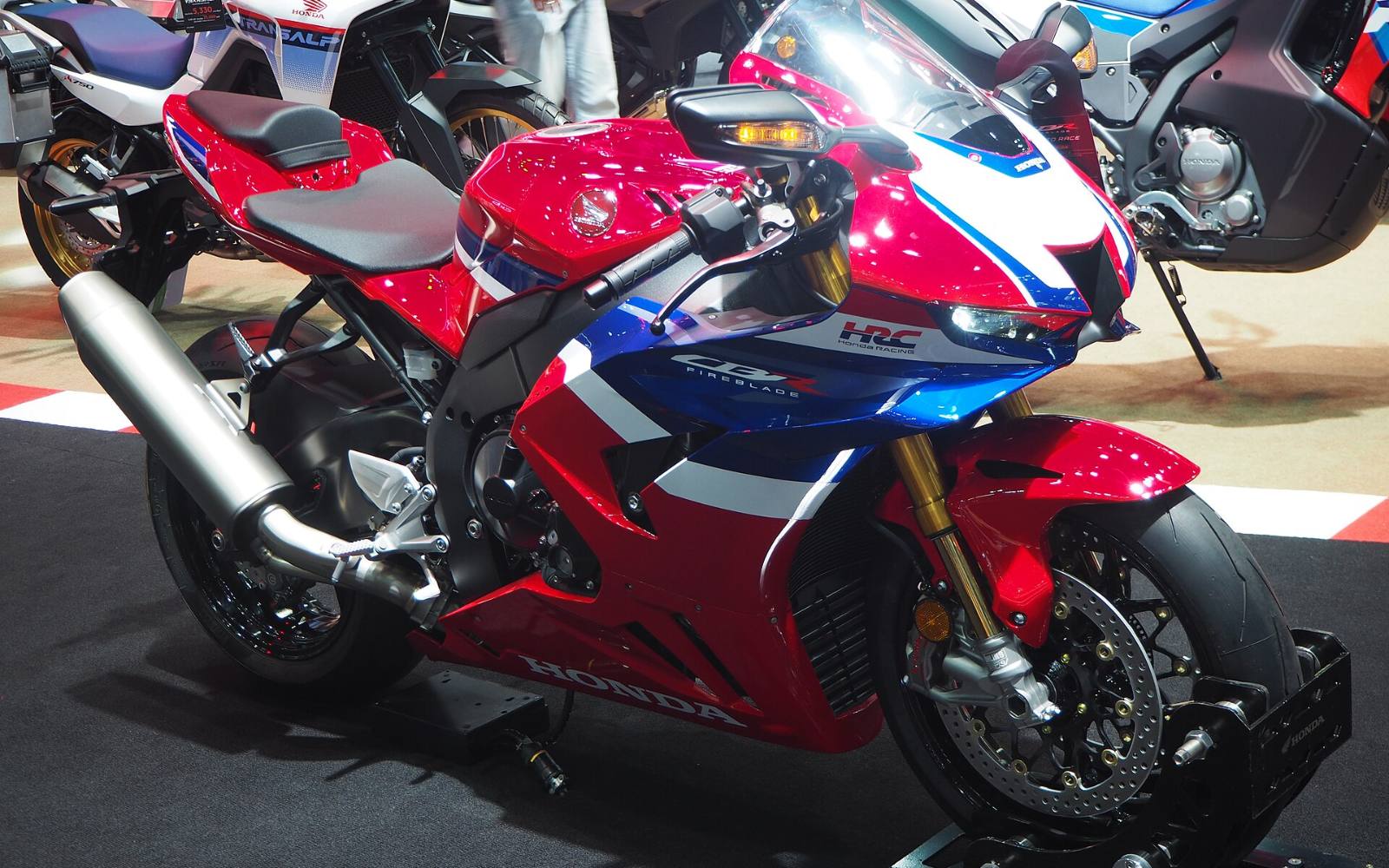
Honda 2027 CBR1000RR-R Fireblade Unveiled at EICMA 2026
Honda unveiled the 2027 Fireblade, Fireblade SP and a new HRC Works Edition at EICMA 2026 on 3 November, with a titanium tank and a variable-length intake. Prices are not announced.