Cabinet Approves Rs 10,000 Crore Container Scheme (Oct 2026)
The Union Cabinet approved a Rs 10,000 crore scheme to build shipping containers in India, running to FY 2039-40. The government says it aims for about tenfold capacity.
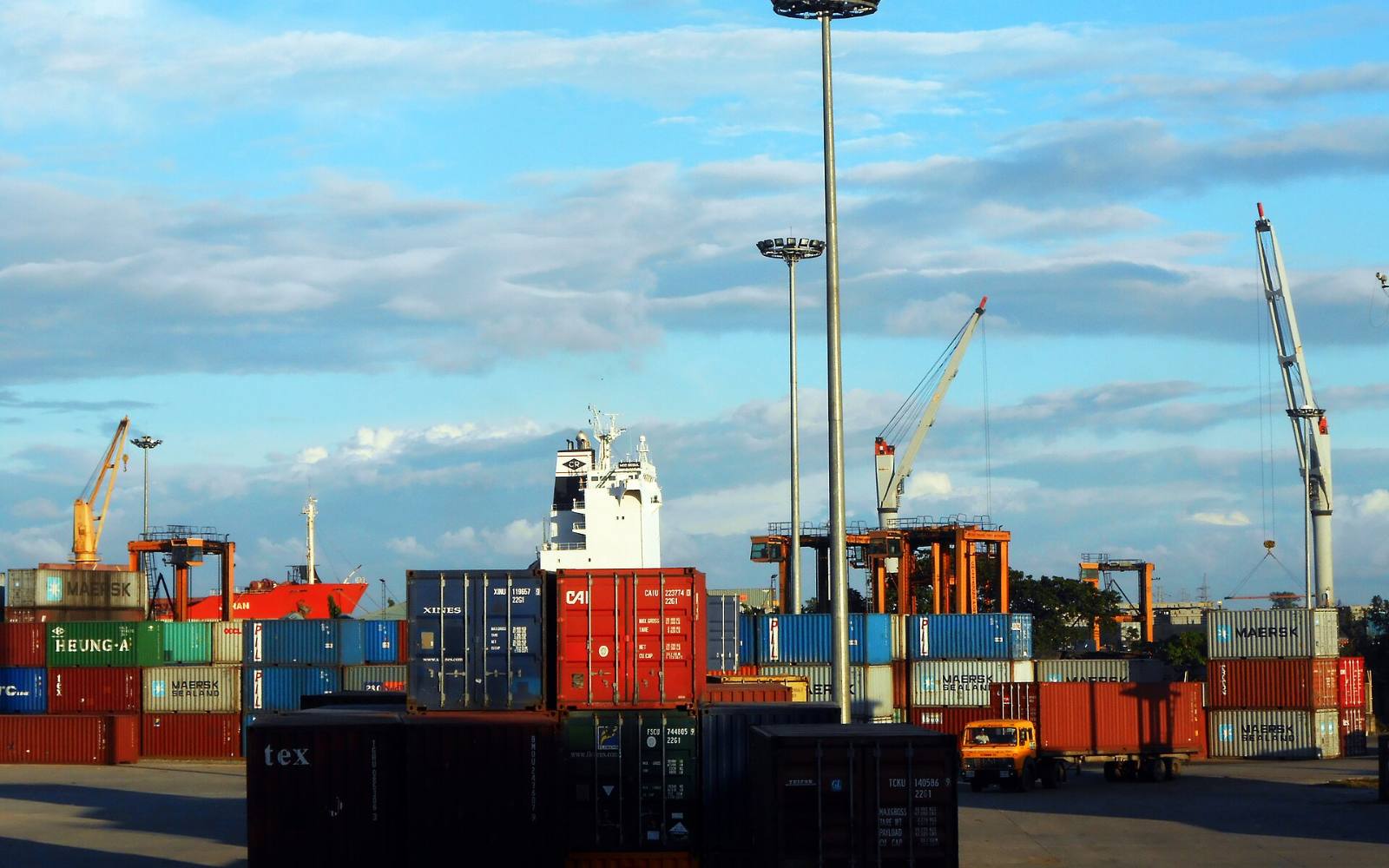
In this article
The Union Cabinet, chaired by Prime Minister Narendra Modi, approved the Container Manufacturing Promotion Scheme on 28 October 2026, according to the UNI news agency. The scheme has an outlay of Rs 10,000 crore and runs until the financial year 2039-40. Information and Broadcasting Minister Ashwini Vaishnaw announced the decision after the Cabinet meeting. One other report, from IBEF, gives the approval date as 29 October. The scheme was first announced in the Union Budget for 2026-27. This article is correct as of 4 November 2026.
What the scheme is for
The government's stated aims are to build a globally competitive container manufacturing industry in India, reduce dependence on imports and strengthen supply chains. It targets raising annual container manufacturing capacity about tenfold, to 7.5 lakh twenty-foot equivalent units (TEUs). A TEU is the standard measure of container capacity, equal to one 20-foot container.
What a TEU is and why the target is stated that way
Most shipping containers are 8 feet (2.4 m) wide and either 20 feet or 40 feet long, under the ISO 668 standard. A TEU counts one standard 20-foot container as one unit, so a 40-foot container is two TEU, whatever its height. A reference article on intermodal containers says 40-foot boxes make up about 70 percent of the world's container volume measured in TEU. The scheme's target of 7.5 lakh TEUs a year is therefore a measure of capacity, not a count of boxes.
Why container manufacturing is a policy topic
The same reference article says about 90 percent of the world's containers are made in China. The government's own stated reasons, as reported by UNI and IBEF, are to reduce import dependence and strengthen supply chains. This article does not assess those aims; it only reports them.
A standard container is a closed steel box made of corrugated weathering steel with a plywood floor, with a steel casting at each of its eight corners used for lifting, stacking and securing. IBEF lists specialised steel, corner castings, wooden frames and paints among the industries the scheme is meant to support, which fits that construction.
How the money is divided
- Operational expenditure assistance: Rs 8,891 crore, for containers made to international shipping standards and sold by eligible manufacturers
- Interest subvention: Rs 859 crore, a 3 percent a year subsidy on interest for eligible term loans, for new (greenfield) plants and expansions of existing (brownfield) plants
- Testing and certification: Rs 150 crore, including common testing facilities, for example for dynamic longitudinal impact testing
These three amounts add up to Rs 9,900 crore, which is Rs 100 crore less than the stated outlay. The two reports opened for this article do not explain the difference.
Expected jobs
The government estimates about 3,000 direct jobs and more than 50,000 indirect jobs. IBEF says the scheme is also meant to support related industries such as specialised steel, corner castings, wooden flooring frames and paints.
Per-container support
A search of official material found a figure reported as Rs 49,500 for a 20-foot container and Rs 86,625 for a 40-foot container under the operational expenditure assistance. The government pages opened for this article did not show these numbers, so they are not confirmed here and should be checked against the official release.
Schemes of this kind are normally put into effect through guidelines issued by the ministry responsible, which set out who can apply and how payments are claimed. The reports opened for this article did not name the ministry or give a date for the guidelines, so readers should not assume a start date from the Cabinet approval alone. The scheme's long run, to the financial year 2039-40, means that payments are planned over about 13 years.
What the reports do not say
- Detailed eligibility conditions, which the pages opened for this article do not set out
- When applications open
- Which companies or locations may take part
Sources
- Cabinet clears Rs 10,000 cr scheme to boost domestic container manufacturing, UNI
- Cabinet approves Container Manufacturing Promotion Scheme, IBEF
- Intermodal container, Wikipedia
Image credits: Cover photo: Stacking Intermodal container in Port of Chittagong 11.jpg) by Moheen Reeyad, CC BY-SA 4.0. Pictures from Wikimedia Commons.
Share
Keep reading
Related articles
Cabinet Raises DA and DR to 63% From 1 July 2026
On 28 October 2026 the Union Cabinet approved a 3 percentage point rise in dearness allowance and relief, from 60% to 63%, effective 1 July 2026.
Cabinet Approves Rs 14,500 Crore Grid Storage Scheme
On 4 November 2026 the Union Cabinet approved Rs 14,500 crore of viability gap funding for 92 GWh of grid-scale energy storage. Here is what it covers and what is still unknown.
Honda CRF1150L Africa Twin Unveiled at EICMA 2026: Specs
Honda showed the 2027 CRF1150L Africa Twin on 3 November 2026: a 1,131 cc twin, three versions and radar-based Honda SENSING RIDE on the Adventure Sports DCT.