How Cabin Pressurisation Keeps Airliner Air Breathable
At cruise height the outside air is too thin to breathe. Airliners pump in air and control how fast it leaves. Here is how, and why cabins sit near 6,000 to 8,000 feet.
In this article
Airliners cruise where the outside air is too thin for people to breathe. To make the cabin safe, the aircraft continuously pumps air in and carefully controls how quickly it escapes, so that the pressure inside stays far higher than outside. The pressure is not kept at sea-level pressure; it is held at about the equivalent of 8,000 feet or lower, a compromise between comfort and the strength of the fuselage.
Why pressurise at all
Wikipedia says that above about 10,000 feet pressurisation is needed to prevent hypoxia, a shortage of oxygen reaching the body. Most people tolerate a cabin at 8,000 feet, though some with heart or lung disease may be affected from about 5,000 feet. Rapid pressure changes can also cause barotrauma, the ear and sinus pain many passengers know on descent.
Where the air comes from
On most jetliners the air is bled from the compressor stages of the engines. Wikipedia says it reaches about 200°C by the time it arrives at the bleed valves. The aircraft's environmental control system cools it, passes it through a heat exchanger and air cycle machine, and mixes it with recirculated cabin air before it enters the cabin. An article from Destination.com describes the same process: bleed air is cooled and filtered by environmental control units before it is distributed.
Not every aircraft works this way. According to Wikipedia, the Boeing 787 uses electric compressors instead of bleed air.
The outflow valve sets the pressure
Air that goes in must also leave. It exits through an outflow valve, usually near the rear of the fuselage. Both sources say this valve controls the pressure: because air is admitted faster than it leaves, the cabin pressure builds, and closing the valve further raises it. An automatic controller adjusts the valve, and pilots can control it by hand if the automatic system fails.
Wikipedia gives typical pressure differences between cabin and outside of 540 to 650 hPa (7.8 to 9.4 psi). At 39,000 feet the cabin may be held near 6,900 feet.
Cabin altitude
"Cabin altitude" is the height in a standard atmosphere that has the same pressure as the cabin air. Wikipedia says regulations limit it to 8,000 feet (2,438 metres) at the aircraft's maximum operating altitude under normal conditions, citing the US rule in 14 CFR Part 25, section 841. Destination.com says the limit effectively caps how high an airliner can cruise.
Examples from Wikipedia: a Boeing 767 cruising at 37,000 feet holds about 7,000 feet in the cabin, and the median cabin altitudes were 6,128 feet on the A380 and 5,159 feet on the 747-400. Wikipedia gives about 6,000 feet for the Boeing 787. For the Airbus A350 it says the maker states 6,000 feet or lower. Composite fuselages avoid some of the fatigue and corrosion concerns of metal ones, which the article links to these lower values.
Safety valves and warnings
Destination.com says a safety valve prevents over-pressurisation, equalises pressure if outside air is higher than cabin air, and lets the crew release pressure quickly if needed. If pressure is lost above 10,000 feet, Wikipedia says an emergency descent to about 10,000 feet is required and oxygen masks must be deployed to every seat. Another Wikipedia article on the aircraft cabin says masks drop automatically on most airliners when cabin pressure falls to the equivalent of 14,000 feet.
A short history
- 1937: Lockheed XC-35, an experimental aircraft whose fuselage skin was the pressure vessel.
- 1938: Boeing 307 Stratoliner, the first pressurised airliner in commercial service, though only ten were built.
- 1943: Lockheed Constellation, the first pressurised airliner in wide service.
- 1949: de Havilland Comet, the first jetliner. Two catastrophic failures in 1954 were traced to metal fatigue and stress around square windows, which led to oval windows on later jets.
- 1988: Aloha Airlines Flight 243, a Boeing 737-200 with more than 89,680 flight cycles, over twice its design limit.
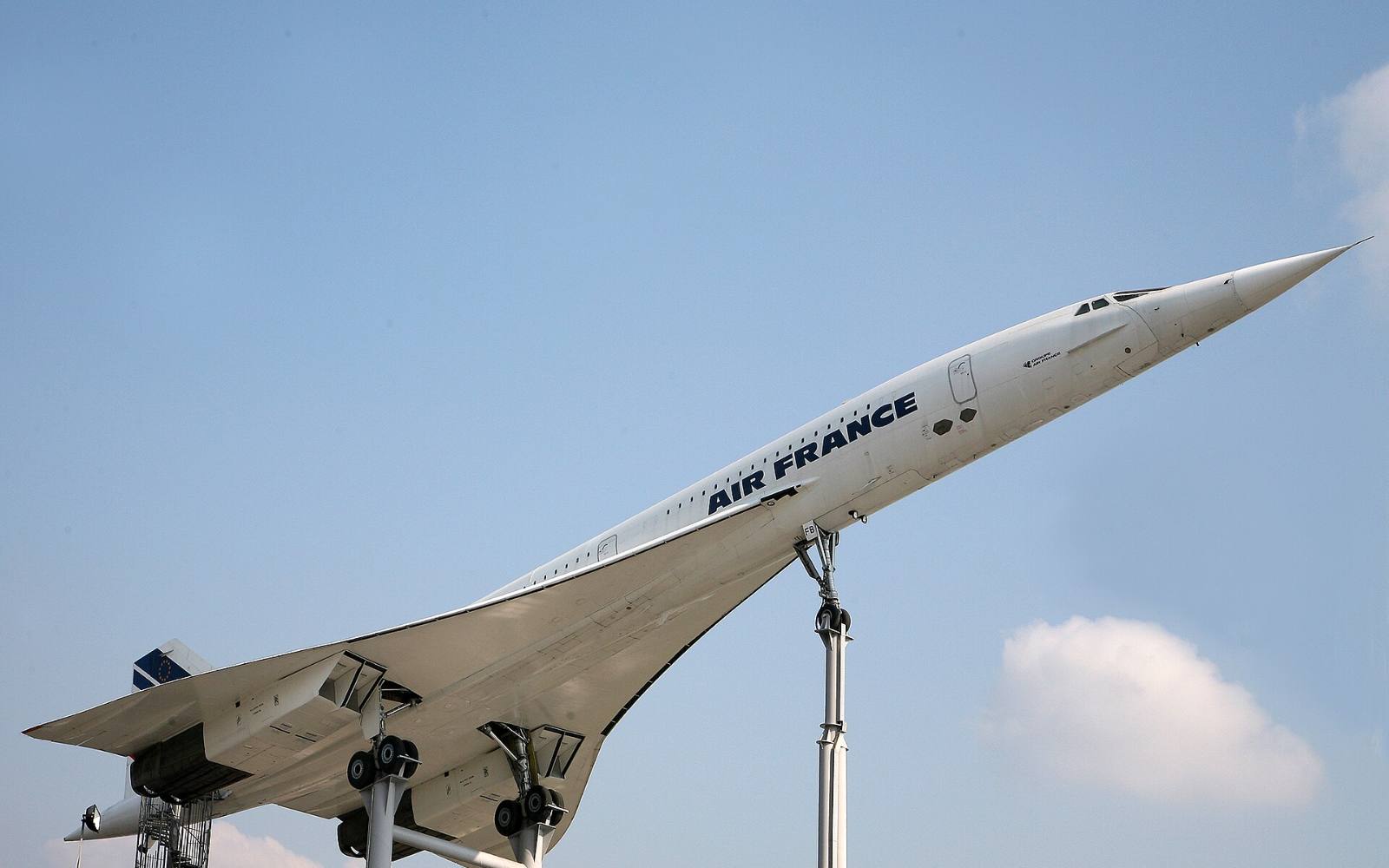
Concorde flew up to 60,000 feet with a 6,000 foot cabin altitude and used small windows to slow any decompression.
Sources
Share
Keep reading
Related articles
Why Airliners Cruise at About 35,000 Feet
Airliners usually cruise between 31,000 and 38,000 feet. See why thin air, engine behaviour and weather make that the sweet spot, and what limits go higher.
Concorde: How the Supersonic Airliner Flew and Why It Ended
Concorde carried passengers at about twice the speed of sound from 1976 to 2003. Here is the short story of how it began, what it did and why it was retired.
How ADS-B Lets Aircraft Broadcast Their Own Position
ADS-B aircraft work out their position from satellite navigation and broadcast it about once a second. See what is sent, who hears it and what limits it.