Concorde: How the Supersonic Airliner Flew and Why It Ended
Concorde carried passengers at about twice the speed of sound from 1976 to 2003. Here is the short story of how it began, what it did and why it was retired.
In this article
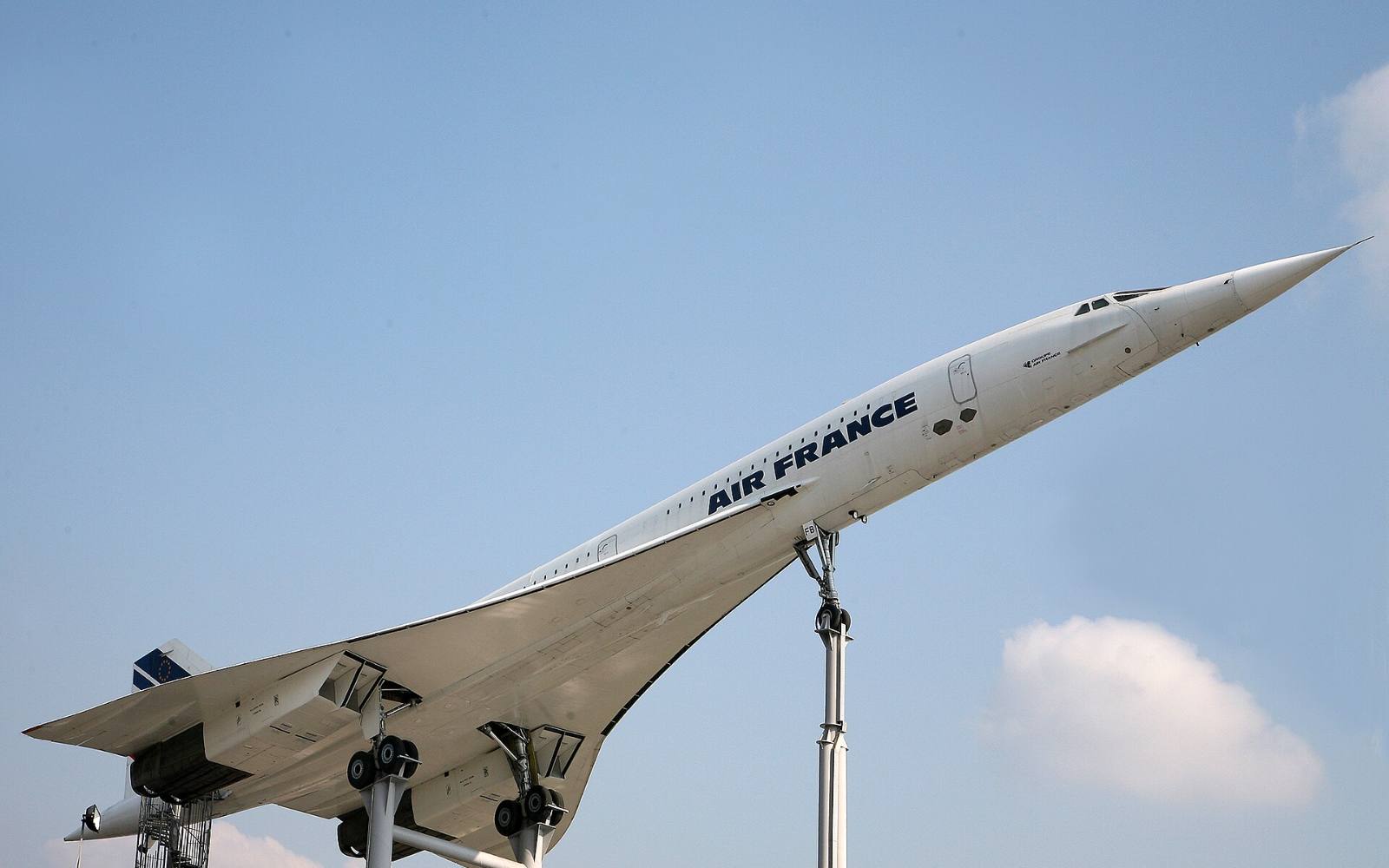
Concorde was a British and French passenger jet that flew at about twice the speed of sound. It entered service on 21 January 1976 and made its last commercial flight on 24 October 2003. Only 20 were built, and only two airlines flew them: Air France and British Airways. High costs, noise and a lack of buyers were behind its end, with a fatal crash in 2000 and a fall in travel after 11 September 2001 adding to the pressure.
How it began
The Smithsonian National Air and Space Museum says Britain and France wanted a commercial aircraft that could fly faster than sound, and pooled their efforts in a treaty signed in 1962. The name Concorde recalls that agreement. By February 1965, two prototypes were being built: 001 by Aérospatiale of France and 002 by the British Aircraft Corporation.
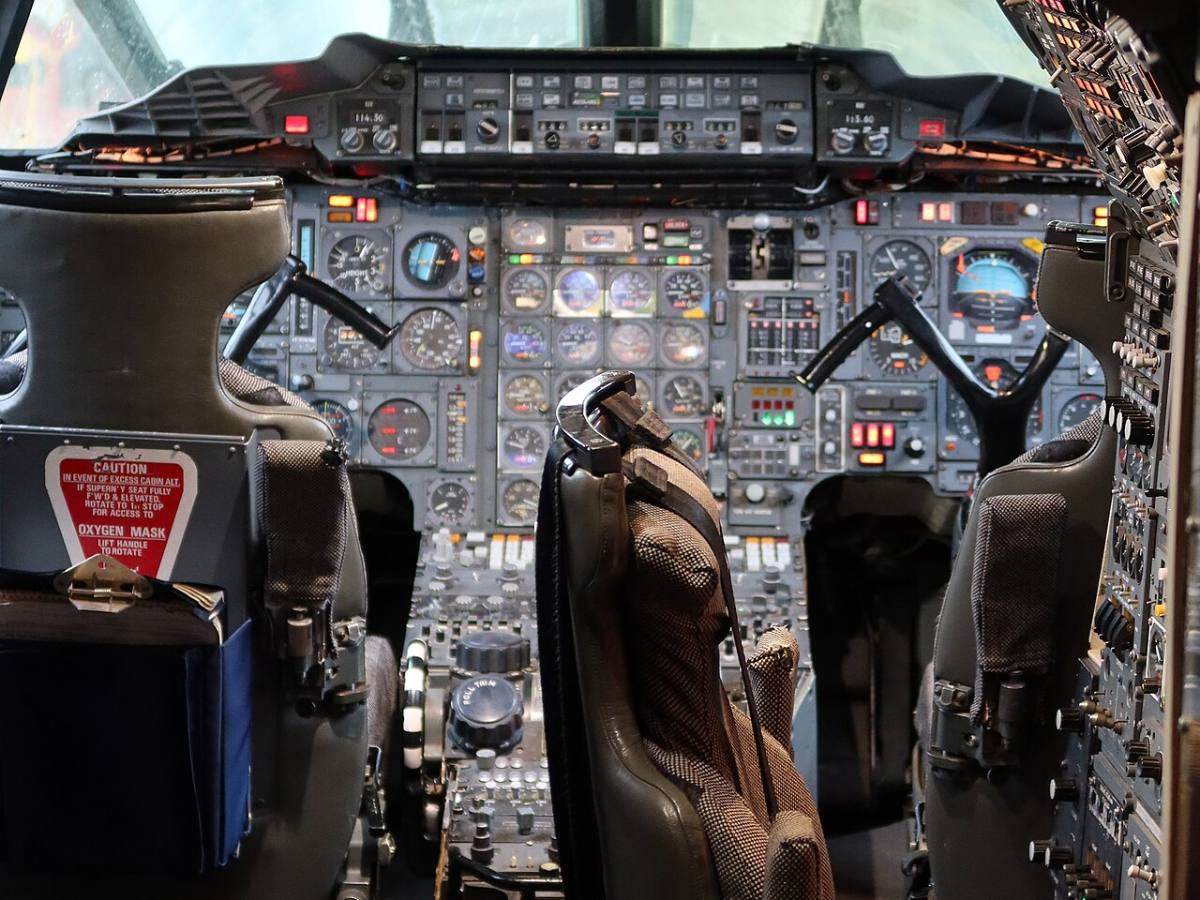
The first prototype made its first test flight from Toulouse on 2 March 1969, according to both the Smithsonian and Wikipedia. Wikipedia names the pilot as André Turcat. The Museum of Flight in Seattle says 20 aircraft were built between 1966 and 1979.
What it could do
- Speed: the Smithsonian gives a maximum of 1,330 mph, about Mach 2.04. Wikipedia gives an average cruise of Mach 2.02.
- Altitude: cruising at 55,000 to 60,000 feet, says the Smithsonian.
- Passengers: 92 to 128, in four seats across, according to the Smithsonian and Wikipedia.
- Engines: Rolls-Royce Olympus engines, 38,000 pounds of thrust each according to the Smithsonian.
The Museum of Flight says a round trip from London to New York could be done in the time a conventional aircraft took for one way. Another magazine article says that Paris to New York took 3 hours and 55 minutes, and notes that the 62-metre aircraft could stretch by up to 24 centimetres in flight from heat caused by friction with the air. That article is less authoritative than the museum sources, so treat that detail as a popular account.
In service
Concorde entered service in 1976 with Air France and British Airways. The Smithsonian says a round-trip fare was $12,000, about $66,000 in today's money, and the aircraft flew mostly between New York and London and between New York and Paris. Short-lived routes to places such as South America, Bahrain and Singapore did not last. It operated for 27 years.
The Soviet Tu-144, which first entered service in 1968, was faster on paper but, says the Smithsonian, was inefficient and costly to operate.
Why it ended
The Smithsonian lists several reasons for the 2003 retirement:
- Fuel use of about 6,771 gallons per regular flight often exceeded the revenue from it.
- Only 20 were built, and only Air France and British Airways ordered them, largely because both were state-run.
- Sonic booms could break windows over land, so supersonic flight was limited mostly to water, and noise drew complaints.
- Growing environmental opposition targeted noise and emissions.
- A 2000 crash in France killed everyone on board and damaged confidence.
- The drop in international travel after 11 September 2001 was the final blow.
The 2000 accident
Wikipedia's article on Air France Flight 4590 says that on 25 July 2000 a Concorde crashed shortly after takeoff from Paris Charles de Gaulle Airport. It had run over a metal strip that fell from another aircraft, bursting a tyre, and debris punctured a fuel tank. All 109 people on board and four on the ground died. Fleets were grounded. Modifications included Kevlar lining for the fuel tanks and burst-resistant tyres, and service resumed on 7 November 2001. It remains the only fatal accident in Concorde's passenger service, according to Wikipedia.
The last flights and where they are now
Wikipedia says the last commercial flight was on 24 October 2003, and the final flight, to Bristol Filton, was on 26 November 2003. Air France had already retired its aircraft earlier in 2003; sources differ on the exact date. The Smithsonian says an Air France Concorde is displayed at its Udvar-Hazy Center in Virginia, and the Museum of Flight in Seattle has a British Airways aircraft on loan, one of the Concordes whose interior visitors can enter.
Sources
- What Happened to the Concordes?, Smithsonian National Air and Space Museum
- Forty Years of the Concorde Jetliner, Museum of Flight
- Concorde, Wikipedia
- Air France Flight 4590, Wikipedia
Image credits: Cover photo: 00 4916 Concorde of Air France by W. Bulach, CC BY-SA 4.0; Picture in the text: Concorde cockpit - 52235727688 by jabberwock, CC BY-SA 2.0. Pictures from Wikimedia Commons.


Share
Keep reading
Related articles
Why Airliners Cruise at About 35,000 Feet
Airliners usually cruise between 31,000 and 38,000 feet. See why thin air, engine behaviour and weather make that the sweet spot, and what limits go higher.
The Wright Brothers' First Flights, 17 December 1903
On 17 December 1903 Orville and Wilbur Wright made four powered flights at Kitty Hawk. The longest was 852 feet in 59 seconds.
How Ford's Assembly Line Cut Model T Build Time
In 1913 Ford moved cars past workers instead of workers around cars. Build time for one Model T fell from 12 and a half hours to 93 minutes, and the price fell with it. Here is how it happened.