Countersteering: How Motorcycles and Bikes Turn
To turn right on a bike or motorcycle, a rider first nudges the bars left. Here is why that starts the lean, what keeps two-wheelers upright and where the science is still debated.
In this article
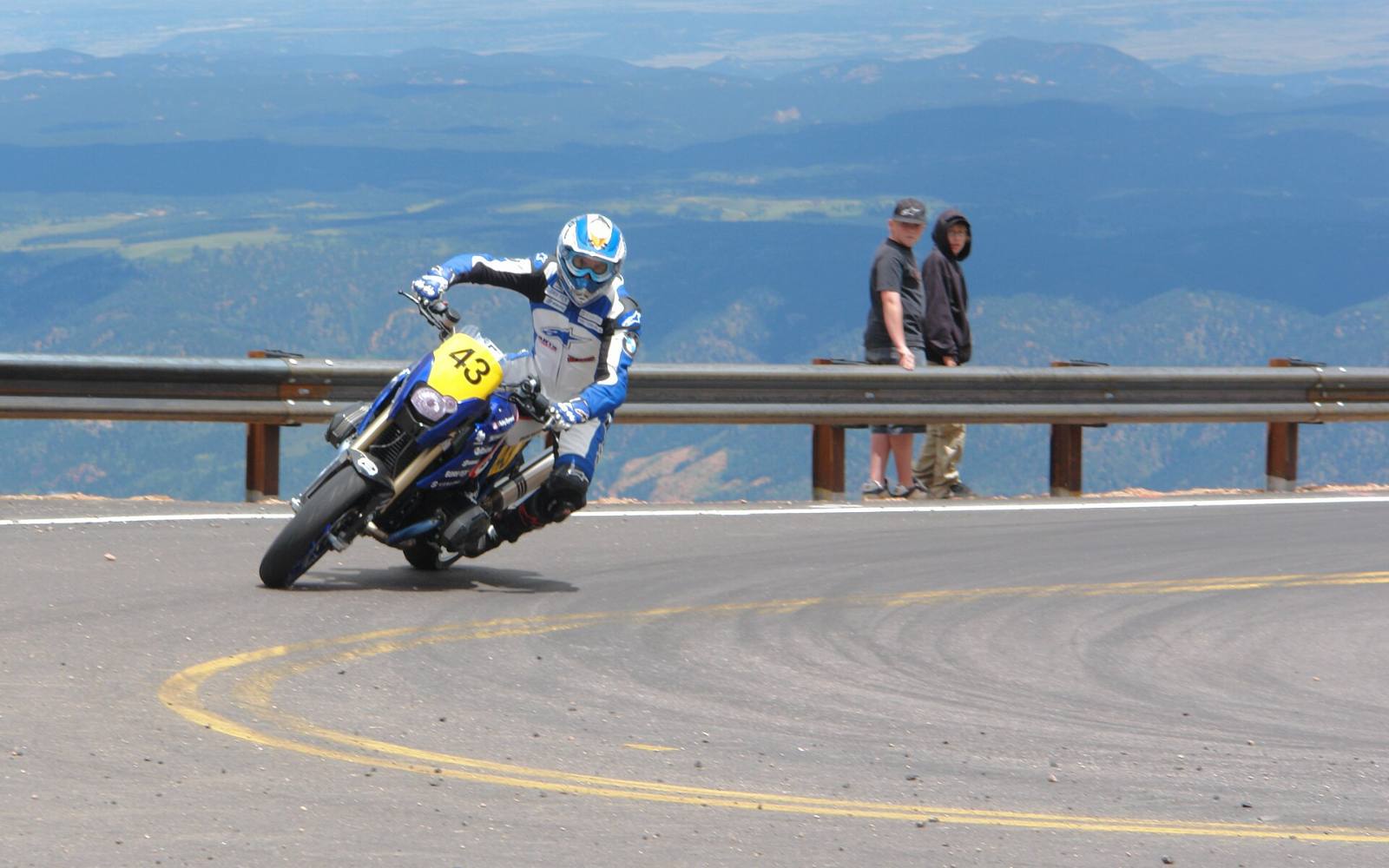
To turn right on a bicycle or motorcycle, a rider first pushes the right handlebar forward, which briefly points the front wheel left. That small push makes the bike lean right, and the lean is what carries it round the corner. The technique is called countersteering. It works on any single-track vehicle, and most riders do it without noticing.
What a rider actually does
Wikipedia describes the sequence like this. To go right, the rider applies a brief torque to the bars towards the left. The front wheel turns left, and the tyre contact patches move out from under the bike, so the bike leans to the right. The rider, or the bike's own stability, then steers the wheel back to the right and the turn begins. Steering is then held to keep the lean.
The first input can be very short. Wikipedia says it may last as little as 0.125 seconds, so many riders are unaware that they do it. At low speed it is small and mixed with balance corrections. At higher speed the bike resists more, so a given push on the bars changes the lean by less, and the rider must push harder or longer.
Why a lean is needed
A moving bike that turns without leaning would tip outward, like a person carrying a heavy bag round a bend. To stay balanced the rider and bike must lean inward. The lean angle follows a simple formula given on Wikipedia: the angle equals the arctangent of speed squared divided by gravity times turn radius. Its worked example is a 10 m radius turn at 10 m/s, which needs about 45.6 degrees of lean. Faster speed or a tighter turn needs more lean.
A University of Guelph science-communication article, written by an undergraduate student, explains the start of the lean in terms of forces. Steering one way sends the wheels sideways under the rider. Because the bike is now tilted, the ground pushes back along the direction of the lean, and the lean increases. This is a simplified account, but it matches the same sequence.
Why a bike stays upright at all
Balance comes from a mixture of effects. Wikipedia's bicycle and motorcycle dynamics page lists geometry, how mass is spread, gyroscopic effects and forward speed, and says that claims that any one of them is solely responsible have been discredited.
- Trail: the front wheel touches the ground slightly behind the point where the steering axis meets the road. When the bike leans, the ground force steers the front wheel into the lean, which helps to catch a fall.
- Gyroscopic effect: a spinning front wheel resists being tilted and turns towards the lean. It adds a quick roll moment when the rider applies steering. Wikipedia's countersteering page gives an example of about 12% of the roll moment from tyre forces for a motorcycle at 22 m/s.
- Speed: between a low and a high speed range, some bikes can steer themselves upright even with no rider. Higher speed makes small steering changes more effective, so balance is easier.
Where the experts disagree
The Guelph article calls trail the single largest contributor to a bicycle's stability, citing a 1982 paper in the American Journal of Physics. The Wikipedia page describes later research in which David Jones (1970) showed gyroscopic effects are not necessary for balance, and Kooijman and colleagues (2011, in Science) built a bicycle with negative trail and counter-rotating wheels that was still self-stable. Their conclusion, as summarised by Wikipedia, is that neither effect is sufficient by itself or strictly necessary, though both can help hands-free stability. We could not open the Science paper itself, so this relies on the Wikipedia summary.
Why motorcycle courses teach it
Wikipedia reports that the Motorcycle Safety Foundation teaches countersteering in all its courses and that it appears in the rider manuals and tests of several US states. It cites the Hurt Report, an older study of motorcycle crashes, which found that many riders braked too hard, skidded the rear wheel and could not swerve. Countersteering is described as the quickest way to change direction in an emergency. Slogans such as press left to lean left, go left are used in training.
This is general information, not riding instruction. Anyone learning to ride should do so through an approved course with a qualified instructor.
Sources
- Countersteering, Wikipedia
- Bicycle and motorcycle dynamics, Wikipedia
- Turning right to go left, University of Guelph, Department of Physics
Image credits: Cover photo: Motorcycle Lean PPIHC by Hustvedt, CC BY-SA 3.0. Pictures from Wikimedia Commons.

Share
Keep reading
Related articles
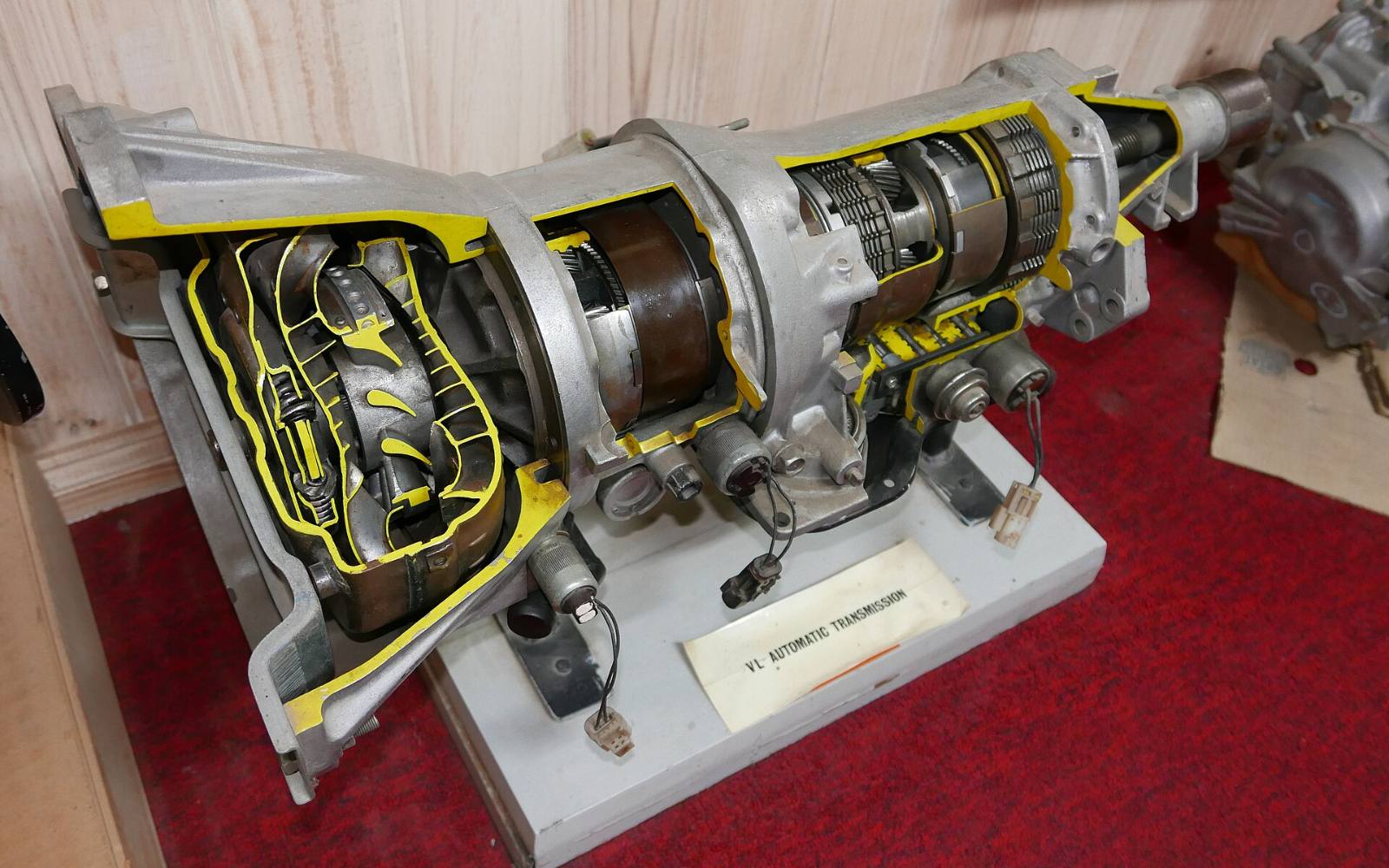
How Automatic Gearboxes Work: Torque Converter and Gears
A conventional automatic gearbox joins the engine to planetary gears through a fluid-filled torque converter and picks ratios with hydraulic clutches. Here is how each part works.
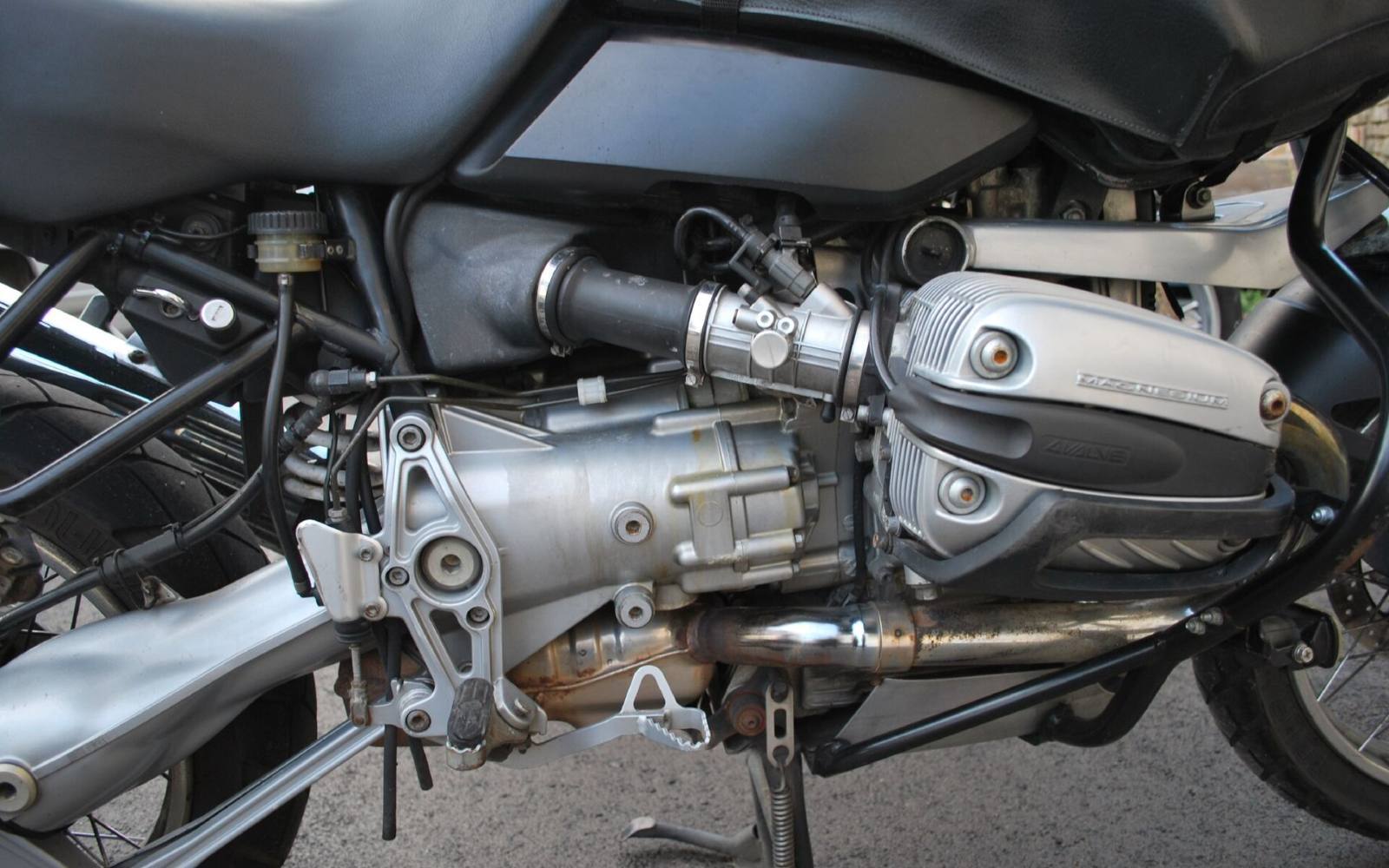
How a Motorcycle Quickshifter Works Without the Clutch
A quickshifter lets a rider change gear without the clutch by cutting engine power for a few milliseconds. Here is how the sensor, the ECU and the gearbox work together.
How a Motorcycle Stays Upright and Turns: Countersteering
To turn right, a moving motorcycle first steers briefly left. This article explains countersteering, lean angle, trail and what science says about balance.