How a Wind Turbine Turns Moving Air Into Electricity
A wind turbine uses wind to spin blades, a shaft and a generator. Here is each part, why most have three blades, and the physical limit on what they can capture.
In this article
A wind turbine works like a fan in reverse. A fan uses electricity to make wind; a turbine uses wind to make electricity. Moving air pushes the blades, the blades turn a shaft, and the shaft drives a generator. The US Department of Energy describes it in just that order: wind turns the blades around a rotor, the rotor spins a generator, and the generator creates electricity.
Where the wind comes from
The Department of Energy describes wind as a form of solar energy. The Sun heats the Earth unevenly, and air moves as a result. Wind speeds vary with location, bodies of water, vegetation and terrain, which is why turbines are placed where measurements show steady wind.
The main parts
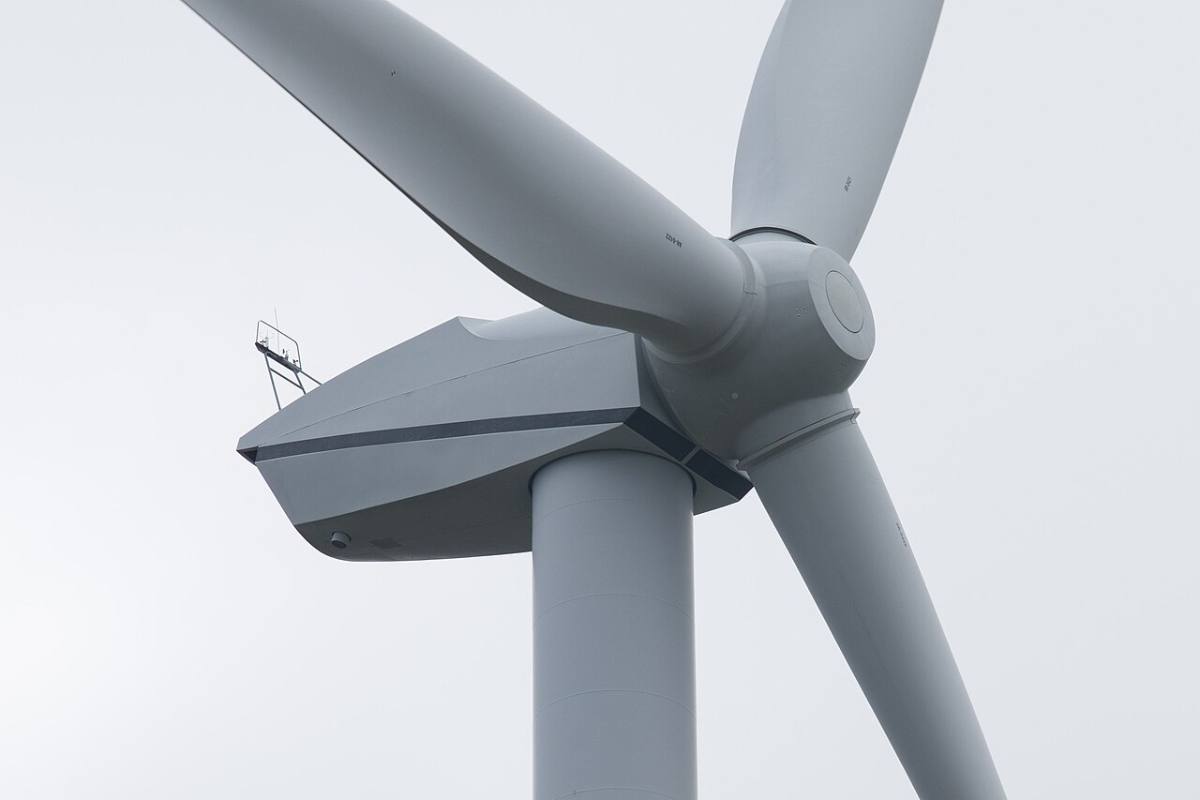
- Blades: catch the wind and turn the rotor. Most are made of glass-fibre composites; carbon fibre, which is stiffer and lighter, is also used.
- Rotor and hub: the blades attach to the hub, which turns the main shaft.
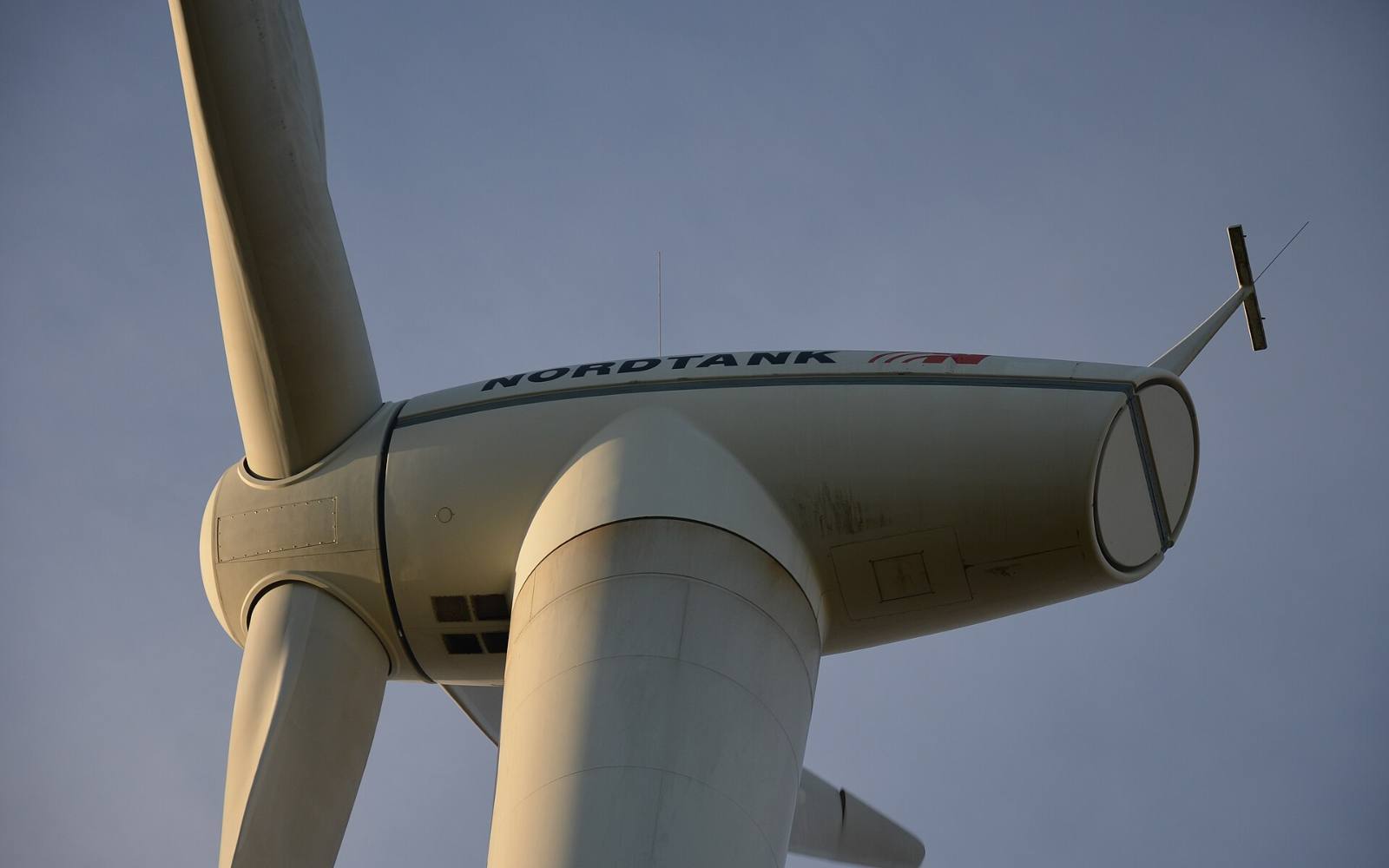
- Nacelle: the housing at the top of the tower that holds the shaft, gearbox and generator.
- Gearbox: most turbines have one, to turn the slow rotation of the rotor into the fast rotation a generator needs.
- Generator: converts the shaft's rotation into electricity.
- Tower: lifts the rotor into stronger, steadier wind.
- Yaw system: turns the nacelle to face the wind.
Why most turbines look the same
According to Wikipedia's summary of the field, large three-bladed horizontal-axis turbines, with the blades upwind of the tower, produce the great majority of the world's wind power. Their main shaft and generator sit at the top of the tower, so the whole head must be pointed into the wind. Small turbines use a simple wind vane for this; large ones generally use a wind sensor linked to a yaw system.
Vertical-axis designs also exist, such as the eggbeater-shaped Darrieus turbine. They do not need to face the wind, which helps where wind direction changes a lot, and their generator can sit near the ground. The same source notes that the Darrieus type produces large torque ripple and cyclical stress on the tower, which hurts reliability.
How much of the wind can a turbine capture?
Betz's law, named after the German physicist Albert Betz, says no wind turbine can capture more than 59.3 percent of the wind's kinetic energy. The air must keep moving after it passes the rotor, so it still carries some energy away. Real machines lose more in the blades, gearbox, generator and converter.
Wind power also rises steeply with wind speed: the theoretical power grows with the cube of the speed. To protect parts from wear, turbines hold their output constant above their rated operating speed, which reduces efficiency at the highest wind speeds.
Size and lifespan
As one example, a 1.5 megawatt turbine of a type common in the United States has a tower about 80 metres (260 feet) tall and a rotor roughly 80 metres across; its nacelle weighs around 300 tons. Wikipedia gives an average turbine lifespan of about 30 years, with blades and gearboxes usually lasting up to 25 years.
Pitch, yaw and staying safe in storms
Because power climbs so quickly with wind speed, a turbine needs a way to control what it takes in. Large machines do this by holding their output constant once the wind passes the rated speed, as noted above. The yaw system keeps the rotor facing the wind so that the blades see the full flow, and sensors on the nacelle tell the controller which way the wind is blowing. Structural monitoring also matters: Wikipedia says accelerometers and strain gauges on the nacelle are commonly used to watch the gearbox and other equipment for signs of wear or defects.
The catch: output follows the wind
Wikipedia adds that most turbine parts other than the blades, including the hub, gearbox, frame and tower, are largely made of steel. Some smaller turbines have started using aluminium alloys to save weight, and pre-stressed concrete is increasingly used for towers, though it still needs a lot of reinforcing steel.
Wind turbines produce some of the cheapest renewable energy and emit no greenhouse gases while running, according to Wikipedia. But output follows the wind, not demand, so it is an intermittent source unless energy storage is available. They can also affect wildlife, though the same source says this can be reduced.
Sources
Image credits: Cover photo: Nordtank NTK 1500 wind turbine nacelle in Gammelby Germany.jpg) by Windkraftfan SH, CC BY-SA 4.0; Picture in the text: Nacelle of Wind Turbine 01 by Σ64, CC BY 4.0. Pictures from Wikimedia Commons.

Share
Keep reading
Related articles
How LED Bulbs Make Light and Why They Last So Long
LED bulbs turn electric current into light far more efficiently than old filament bulbs. Learn how white light is made, how long LEDs last, and why heat matters.
How Much Electricity Do AI Data Centres Use?
Data centres used about 1.5% of the world's electricity in 2024. Here is what the IEA and the US Department of Energy report, what drives the growth and how uncertain the forecasts are.
How a Heat Pump Moves Heat Instead of Making It
A heat pump uses electricity to carry heat from a cold place to a warm one. Here is the four-step refrigerant cycle and what its coefficient of performance means.